 admin
admin
Sydney has experienced significant rainfall over the past two weeks, bringing much-needed water to our environment. However, for many homeowners, heavy rain can lead to unexpected and costly drainage problems. At Super Drains Plumbing, we want you to understand how rainy weather impacts your drains and sewers, and how you can proactively protect your home from emergency plumbing issues.
Why Heavy Rain Puts Your Drains at Risk
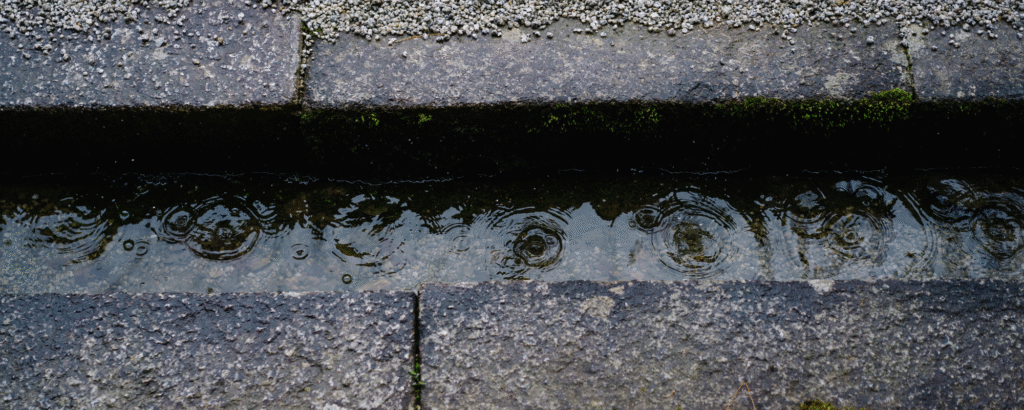
Your home’s drainage system is designed to handle everyday water flow from sinks, showers, toilets, and outdoor runoff. But during periods of heavy rain, these systems are pushed to their limits. Rainwater runoff carries leaves, dirt, and other debris which can clog drain grates and pipes. When debris blocks your drains, water flow slows or stops, causing backups inside your home or on your property.
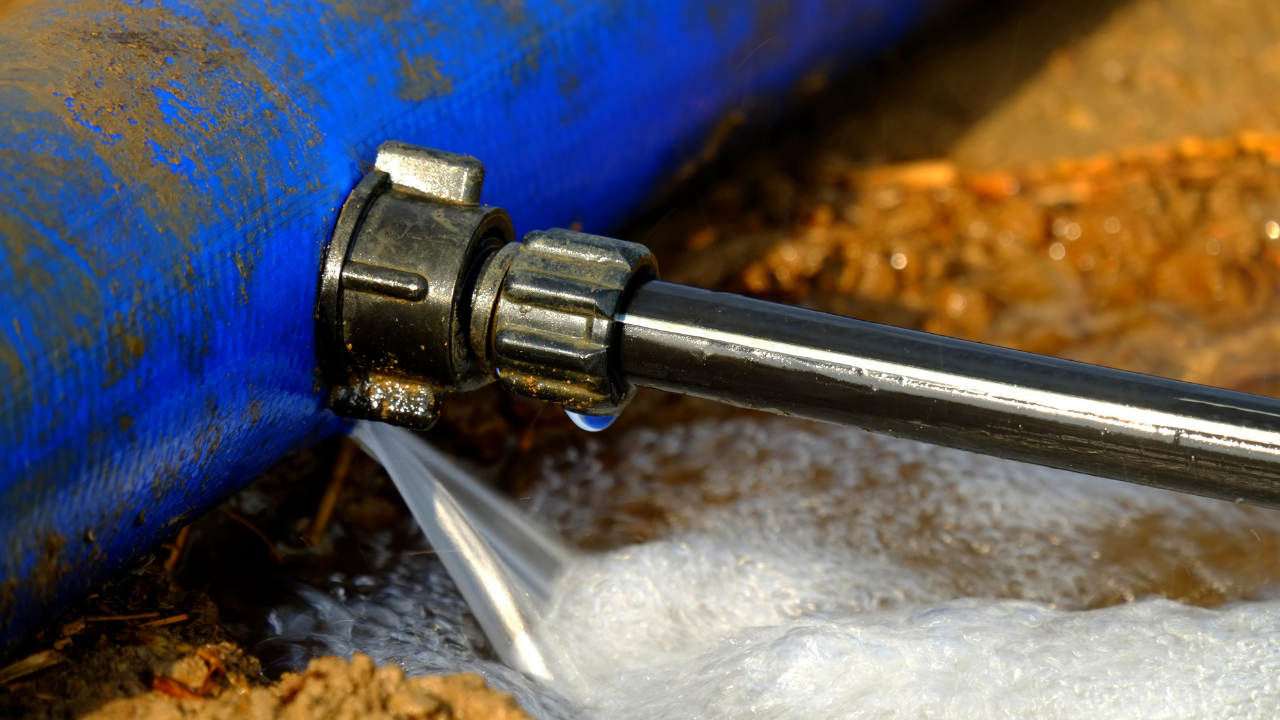
Moreover, the ground around your home becomes saturated during heavy rains. This saturation increases pressure on underground pipes — especially those that are older, damaged, or made from brittle materials. Excessive pressure can lead to cracks, leaks, or even pipe collapse. At Super Drains Plumbing, we have seen numerous cases where unnoticed damage caused by heavy rains has escalated into emergency repairs that could have been avoided with timely maintenance.
Another common issue during rainy periods is tree root intrusion. Tree roots naturally seek moisture, and sewer pipes are a rich source. Over time, roots can infiltrate small cracks or loose joints, growing inside the pipes and causing blockages or damage. These root invasions not only reduce the flow capacity but can also lead to sewer leaks that pose health risks.
Recognising Drainage Problems After Heavy Rain
It’s crucial to identify early warning signs of drainage issues to prevent costly damage. Super Drains Plumbing urges homeowners to monitor their drains and sewers carefully after heavy rain, watching out for:
- Slow or clogged drains: If sinks, showers, or toilets are draining slowly or backing up, it may be due to blockages caused by debris or root intrusion.
- Unpleasant smells: Foul or sewage-like odours near drains or in your yard often indicate sewer leaks or blocked vents.
- Gurgling sounds: Strange noises coming from drains or toilets can signal trapped air due to blockages.
- Pooling water: Water collecting in your yard or near your home’s foundation after rain could mean drainage isn’t functioning correctly.
- Wet patches or sinkholes: Unexpected soggy areas or depressions in your lawn often point to underground pipe damage or leaks.
If you notice any of these signs, don’t delay — call the experts at Super Drains Plumbing immediately. Early inspection and intervention can save you from expensive and disruptive emergency repairs.
Proactive Steps to Protect Your Drains — Advice from Super Drains Plumbing
Preventing drainage issues before they happen is always better than dealing with emergencies after the fact. Here are practical tips from our team to help you prepare your home’s drainage system for the wet season:
1. Regularly Clean Gutters and Downpipes
Leaves, twigs, and debris accumulate quickly and block water flow. Regular cleaning ensures rainwater drains away safely from your roof and foundation, reducing the risk of leaks and flooding.
2. Proper Waste Disposal
Avoid pouring grease, cooking oil, or food scraps down kitchen sinks or drains. These materials congeal and stick inside pipes, causing blockages that worsen during heavy rainfall.
3. Schedule a Professional CCTV Drain Inspection
At Super Drains Plumbing, we use advanced CCTV cameras to inspect your underground drainage pipes without any digging. This technology allows us to detect blockages, cracks, root intrusions, and damaged pipes early — before they cause major problems. Regular inspections are a smart investment to protect your home.
4. Manage Tree Roots Near Sewer Lines
If you have large trees or shrubs near your drainage pipes, our experts can assess the risk of root intrusion and recommend root pruning or chemical root treatments to keep your pipes clear and functional.
5. Install Drainage Covers and Strainers
Using covers over external drains helps catch leaves and rubbish before they enter the pipework, reducing the risk of blockages during storms.
6. Keep an Eye Out for Warning Signs
Be vigilant and monitor your drains during and after heavy rain. At the first sign of trouble — such as slow draining or foul smells — contact Super Drains Plumbing to arrange a professional assessment
Why Choose Super Drains Plumbing for Your Drain and Sewer Needs?
Sydney homeowners trust Super Drains Plumbing because we bring together years of experience, cutting-edge technology, and a strong commitment to customer satisfaction. Here’s what makes us the preferred choice:
- 24/7 Availability: We offer emergency plumbing services anytime, day or night, so you’re never left waiting when a problem strikes.
- Trenchless Pipe Relining: Our specialist trenchless technology allows us to repair or replace damaged pipes without costly and disruptive digging. This means less mess, faster repairs, and cost savings for you.
- Transparent Pricing: We provide upfront, no-obligation quotes for every stage of investigation, clearing, and repairs — so you know exactly what to expect.
- Skilled and Professional Plumbers: Our team is licensed, trained, and committed to providing respectful and tidy service at your home.
- Satisfaction Guaranteed: We stand behind all our workmanship with warranties and a customer satisfaction guarantee.
Be Prepared for the Next Rain with Super Drains Plumbing
Heavy rain can be stressful for homeowners, but with the right preparation and expert help from Super Drains Plumbing, you can keep your drains and sewers flowing smoothly and avoid emergency breakdowns. Don’t wait until a blockage or pipe failure disrupts your life — get proactive today!
Contact Super Drains Plumbing for a comprehensive drain inspection or expert advice tailored to Sydney’s weather and your home’s unique needs. Let us help you protect your property and ensure peace of mind this rainy season and beyond.